Overwatch 2: 10 Pro Tips to Dominate as Support and Climb Ranks

Introduction
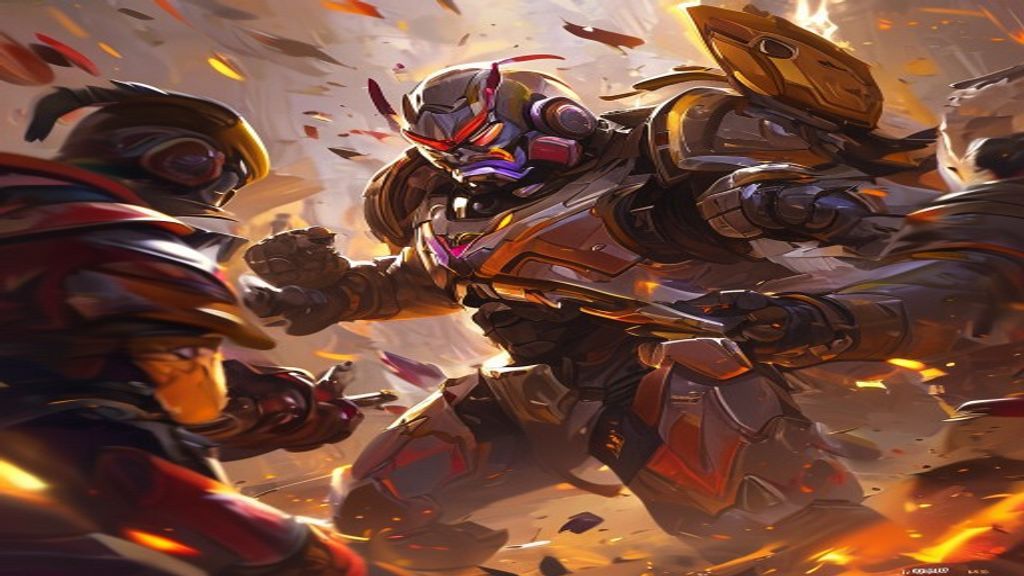
Support is often the most underappreciated role in Overwatch 2, but it's also the most impactful. A great support can turn the tide of a match by keeping teammates alive, enabling plays, and even securing kills. Whether you're new to the role or looking to rank up, these 10 pro tips will elevate your support gameplay. From positioning to ultimate usage, we've got you covered.
1. Master Positioning: Stay Alive to Keep Your Team Alive

Your number one priority as support is to stay alive. Positioning is key. Always be aware of your surroundings and avoid standing in the open. Use natural cover, high ground, and corners to protect yourself. Keep a safe distance from the frontline, but stay close enough to heal. If you die, your team loses sustain. Watch your flanks—enemy divers like Tracer or Genji will hunt you.
2. Prioritize Healing Targets Wisely
Not all healing is equal. Your tanks will take the most damage, but your DPS may need heals to secure a pick. Use your judgment: heal the teammate who is actively engaged in a fight first. If both are critical, try to keep both alive with cooldowns. Also, don't overheal—if a teammate is full, look for someone else who needs it. Track enemy damage to predict who will need healing soon.
3. Use Your Abilities Proactively, Not Reactively
Many supports have powerful abilities like Ana's Sleep Dart or Kiriko's Suzu. Don't wait until your teammate is dead to use them. Anticipate enemy ults and abilities. For example, use Suzu to cleanse a friendly Anti-Heal or save a teammate from Junkrat's tire. Pre-cast abilities when you know damage is coming—like Lucio's Sound Barrier before a Graviton Surge.
4. Balance Healing with Damage
As a support, you're not just a heal bot. Dealing damage can help secure kills and build your ultimate faster. Heroes like Moira and Baptiste excel at mixing damage and healing. Always look for opportunities to poke at enemies, especially when your team is healthy. But don't tunnel vision—if someone needs healing, switch back immediately. Good supports know when to be aggressive and when to fall back.
5. Communicate with Your Team
Supports have the best view of the battlefield. Call out enemy positions, low health targets, and incoming threats. Use voice chat or the ping system to alert your team. For example, tell your tank when you need peel or let your DPS know when you're being flanked. Communication can save lives and turn fights. Also, coordinate ultimates—like Nano Blade or Grav+Dragon.
6. Save Your Ultimate for the Right Moment
Support ultimates are game-changing. Zenyatta's Transcendence can counter massive damage ults like Graviton Surge or Blade. Lucio's Sound Barrier can block Burst damage. Don't waste them frivolously. Save them to counter enemy ults or to enable a team push. Communicate your ultimate status and combo with teammates. If you have ult, let your team know so they can play around it.
7. Learn to Dodge and Survive Dives
Dive heroes like Winston, Tracer, and Doomfist will try to eliminate you. Improve your movement—strafe unpredictably, use your abilities to escape (like Moira's Fade or Mercy's Guardian Angel), and stay near your team for peel. If you get dived, don't panic. Fight back if you can, but prioritize survival. Sometimes kiting the enemy away from the objective is a win.
8. Understand Matchups and Hero Synergy
Not every support works in every comp. Ana excels with brawly tanks like Reinhardt but struggles against dive. Mercy is great with Pharah but weak if she's alone. Learn which supports pair well with your team's composition. Also, know your counters—if the enemy has Sombra, play closer to your team and watch for hacks. Adapt your hero pick based on the map and enemy comp.
9. Use Natural Cover and High Ground
High ground gives you a better view and makes it harder for enemies to hit you. Many support heroes can reach high ground (like Lucio wall-riding or Kiriko teleport). Use it to heal safely. If you're on ground level, always have a corner to duck behind. Avoid standing in chokepoints where you can be easily picked. Good positioning reduces the need for heal tax on your team.
10. Review Your Gameplay and Practice
Finally, improve by reviewing your own replays. Look for deaths that could have been avoided, missed healing opportunities, and bad ability uses. Watch high-level support streamers to learn advanced techniques. Practice mechanics like Ana's sleep darts or Kiriko's kunai in aim trainers. Consistent practice will make you a better support player.
Conclusion
Supporting in Overwatch 2 requires game sense, mechanical skill, and teamwork. Focus on staying alive, using abilities wisely, and communicating with your team. Apply these tips, and you'll see your rank climb. Remember: a great support can carry a game without ever getting a kill. Good luck, and happy healing!