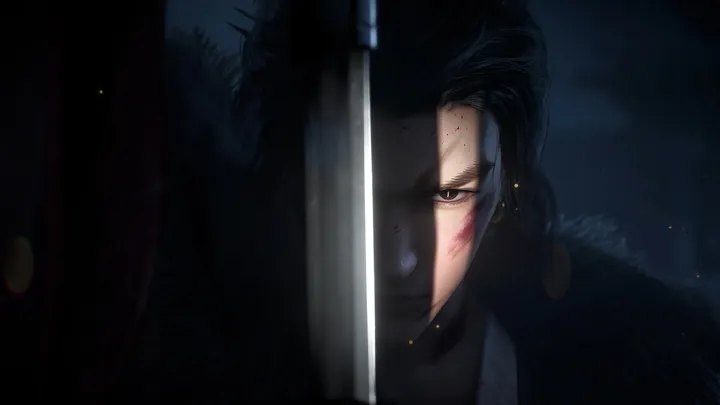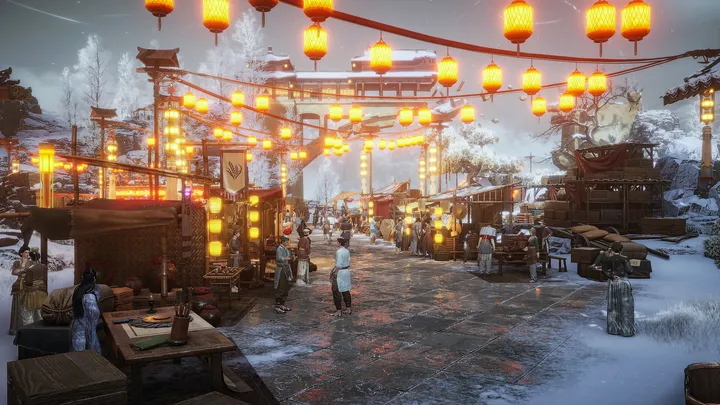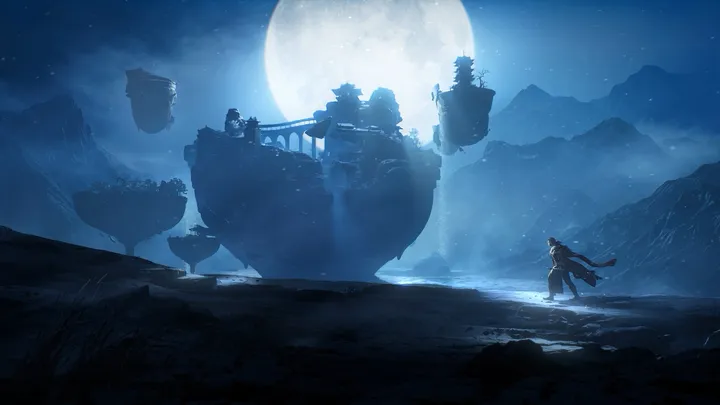

Where Winds Meet is an ambitious historical fantasy RPG set during the turbulent era of China’s Five Dynasties and Ten Kingdoms period. Developed by Everstone Studio and published by NetEase, the game attempts to merge open-world exploration with martial arts storytelling rooted in wuxia tradition.
Players take on the role of a wandering swordsman navigating a fractured land filled with rival sects, political intrigue, and mysterious martial arts techniques. Unlike many action RPGs, Where Winds Meet emphasizes narrative agency: players can align with factions, influence characters, shape regional politics, and unlock different story outcomes.
However, this narrative freedom introduces a structural challenge. As the game progresses, the sheer volume of branching decisions creates narrative fragmentation, where player choices multiply faster than the game can meaningfully support them. Instead of deepening the story, excessive branching sometimes weakens narrative coherence and emotional continuity.
This article explores the specific issue of narrative choice overload in Where Winds Meet, examining how its ambitious branching systems gradually shift from empowering players to overwhelming them and diluting story impact.
1. The Promise of Wuxia Freedom
Wuxia stories traditionally focus on wandering heroes navigating moral ambiguity, loyalty, betrayal, and personal honor. Where Winds Meet attempts to capture this spirit through a narrative system where player decisions influence the world.
From the beginning, players are encouraged to define their identity.
H3: The Player as a Jianghu Wanderer
The concept of jianghu—the martial world—emphasizes freedom and independence. Players can:
- Join martial sects
- Aid or betray factions
- Solve conflicts through diplomacy or combat
H4: Narrative Identity
Early decisions feel meaningful because they shape how characters perceive the player.
This establishes the expectation that every choice matters.
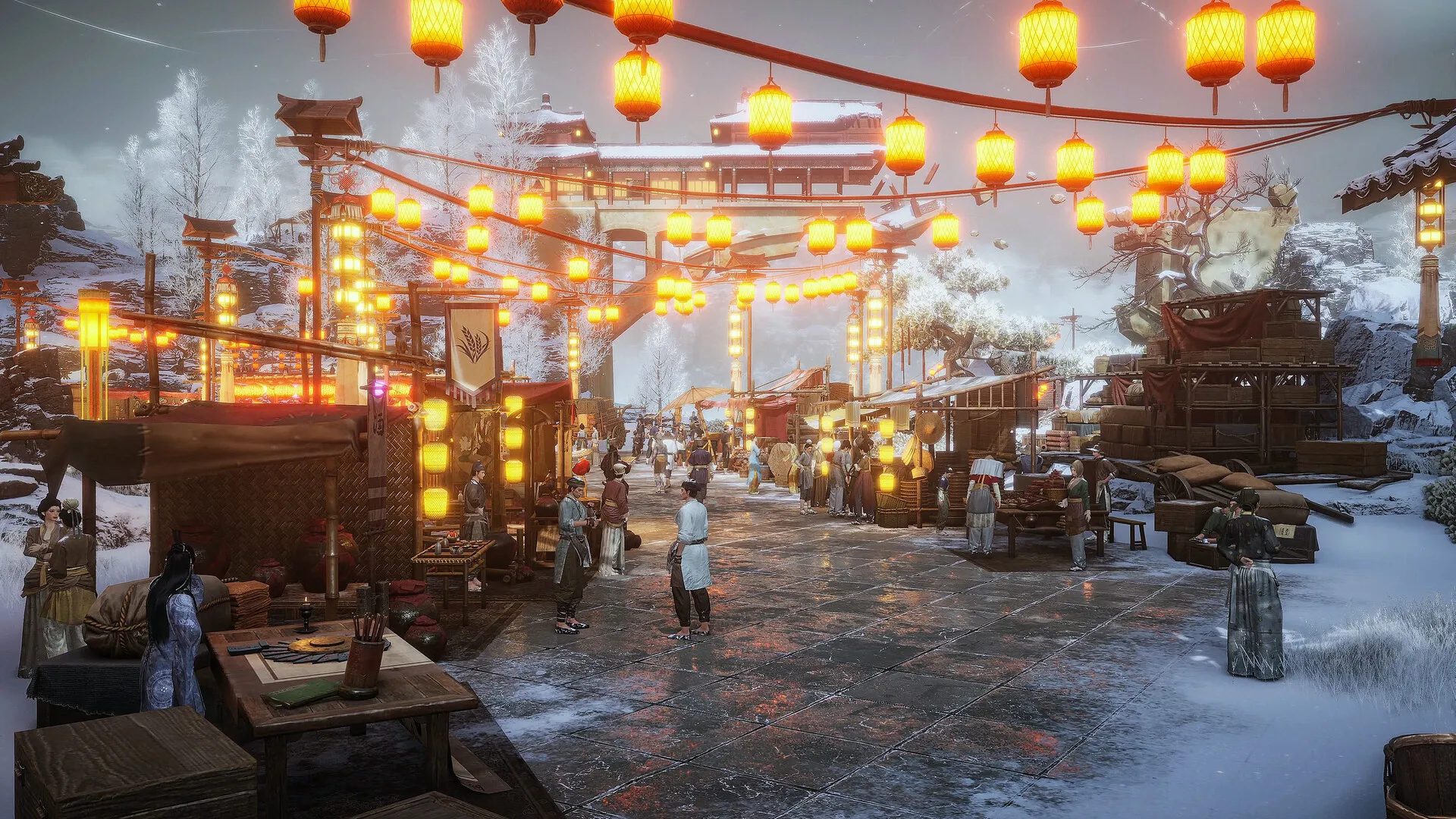
2. Early Storylines: Clear Consequences
In the opening hours, the narrative branching works effectively. Small decisions produce visible outcomes.
Helping a village leader might unlock future quests. Sparing an enemy may result in an unexpected ally later.
H3: Cause and Effect
Players quickly understand the feedback loop:
Choice → Immediate consequence → Future reference
H4: Emotional Reinforcement
Because consequences appear quickly, the narrative feels reactive and personal.
Players begin trusting the system.
3. Branching Narrative Expansion
As players explore more regions, the number of potential storylines increases dramatically.
Multiple factions compete for influence, and each region introduces new characters with their own agendas.
H3: Parallel Storylines
Players may simultaneously interact with:
- Political conspiracies
- Martial sect rivalries
- Personal revenge arcs
- Regional rebellions
H4: Exponential Complexity
Each storyline contains its own decision tree.
When combined, the number of possible narrative states grows rapidly.
4. Choice Density Begins to Overwhelm
At mid-game, players start facing decisions frequently—sometimes multiple choices within a single quest chain.
H3: Decision Fatigue
Frequent choices create cognitive pressure. Players begin asking:
- Which choice matters most?
- Which faction should I support?
- What are the long-term consequences?
H4: Reduced Emotional Weight
When decisions occur too often, individual choices feel less significant.
The narrative becomes crowded.
5. Fragmentation of Character Relationships
One consequence of excessive branching is the weakening of character arcs.
H3: Interrupted Storylines
When players jump between multiple factions, characters disappear for long stretches.
Relationships lose continuity.
H4: Emotional Disconnection
Without consistent interaction, players may struggle to remember motivations or emotional stakes.
Characters become quest givers rather than narrative anchors.
6. Regional Story Isolation
Where Winds Meet’s open-world structure divides the map into regions with distinct narratives.
H3: Self-Contained Arcs
Each region has:
- Unique political conflicts
- Independent character groups
- Local martial traditions
H4: Narrative Silos
While this design supports worldbuilding, it also isolates storylines.
Decisions in one region rarely influence another.
This weakens the sense of a unified world narrative.
7. Player Behavior Under Narrative Pressure
When confronted with overwhelming narrative complexity, players often adapt their behavior.
H3: Simplification Strategies
Instead of roleplaying deeply, players may:
- Follow a single faction blindly
- Choose neutral dialogue options
- Skip optional story branches
H4: List – Common Player Responses
- Ignoring side characters
- Prioritizing combat rewards over story
- Selecting choices randomly
- Consulting online guides for “best outcomes”
The system designed for freedom inadvertently encourages avoidance.
8. The Role of Open-World Exploration
Exploration is central to Where Winds Meet, but it also contributes to narrative overload.
H3: Discovery vs Direction
Players constantly uncover new quests and factions while traveling.
H4: Narrative Dilution
Because exploration introduces new storylines faster than old ones resolve, narrative threads accumulate without closure.
The story begins to feel scattered.
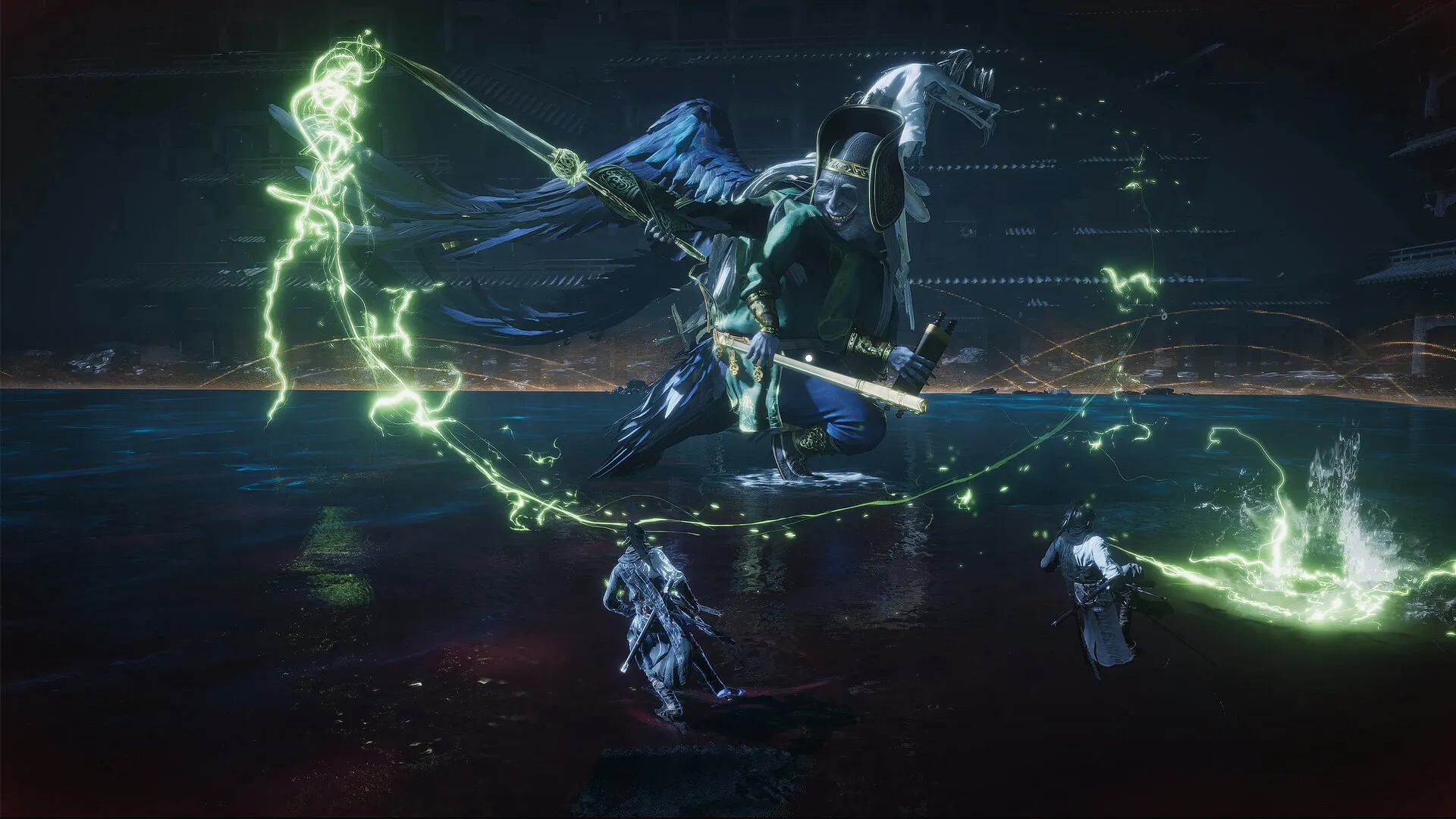
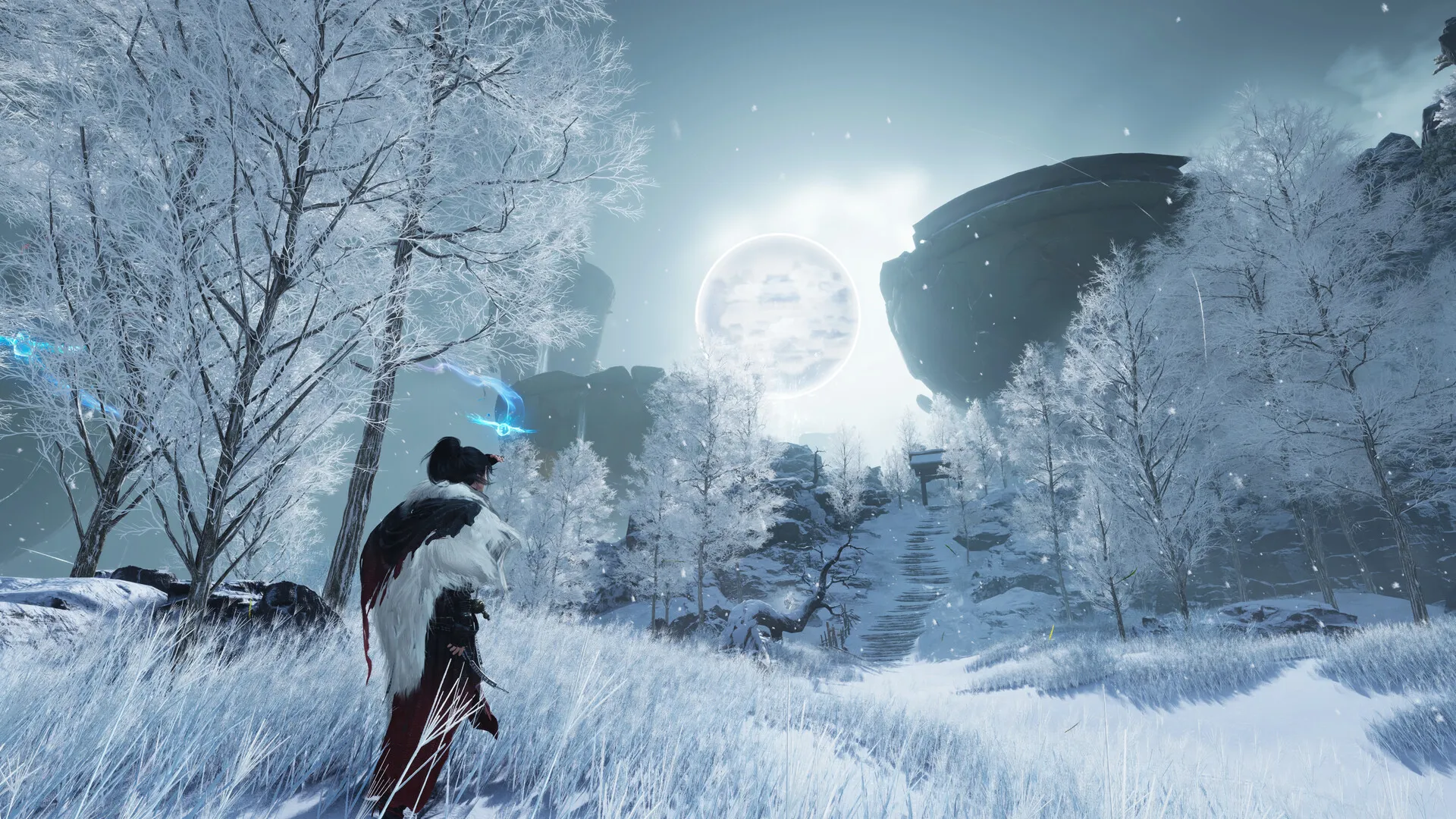
9. Late Game Consequences
By the final chapters, the accumulated narrative branches create a fragmented story state.
H3: Converging Endings
Despite the large number of choices, endings must eventually converge.
H4: Perceived Inconsistency
Players may feel that their earlier decisions were less impactful than expected when different paths lead to similar conclusions.
This undermines the promise of narrative freedom.
10. The Core Design Tension
Where Winds Meet attempts to balance two powerful design goals:
- Expansive open-world exploration
- Deep narrative agency
H3: Strengths of the System
Narrative branching allows:
- Personalized story experiences
- Moral ambiguity
- Replay value
H4: Structural Weaknesses
However, excessive branching leads to:
- Story fragmentation
- Character discontinuity
- Choice fatigue
Possible improvements might include:
- Stronger narrative convergence points
- Recurring character arcs across regions
- Fewer but more meaningful decisions
- Clearer feedback about long-term consequences
These adjustments could preserve freedom while strengthening coherence.
Conclusion
Where Winds Meet represents one of the most ambitious attempts to merge open-world exploration with wuxia storytelling. Its narrative system encourages players to forge their own path through a complex martial world filled with rival factions and shifting alliances.
Yet the same ambition that empowers players can also overwhelm them. As narrative branches multiply, emotional continuity weakens and the story fragments into disconnected threads. Choices lose clarity, relationships fade, and the promise of deep narrative agency becomes harder to sustain.
For Where Winds Meet, the challenge is not expanding freedom further, but refining it. True narrative depth emerges not from endless branching paths, but from carefully crafted decisions that resonate across the entire story.
Only by balancing freedom with focus can the wandering swordsman’s journey feel both personal and meaningful.