.webp) byteh5.com
byteh5.comDressmaker Tips & Guides – Complete Guide to Designing the Perfect Outfit
<h1>Dressmaker Tips & Guides – Complete Guide to Designing the Perfect Outfit</h1>
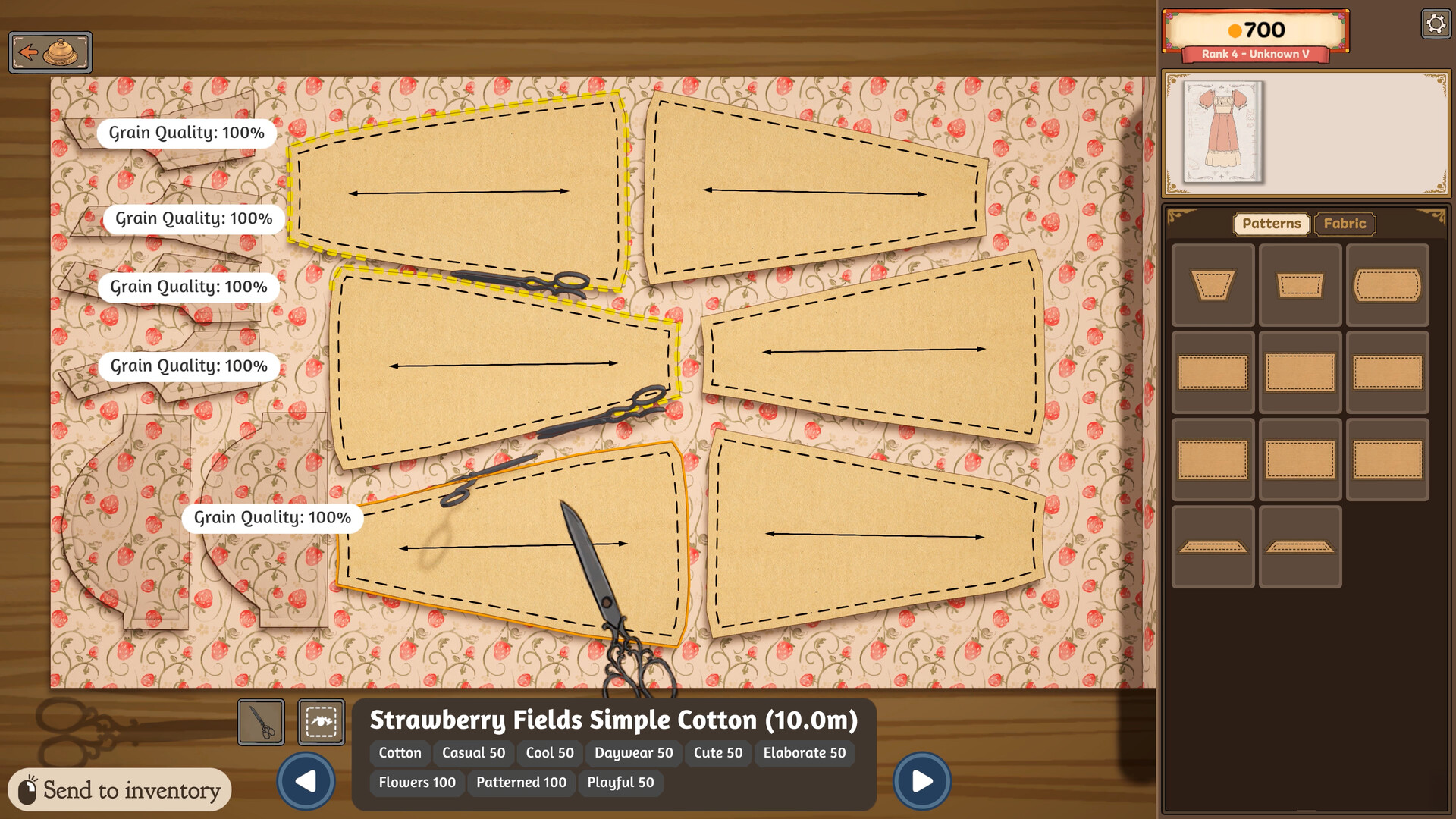
<p>Dressmaker is a creative fashion game that puts players in the role of a designer, allowing them to create outfits, experiment with different styles, choose colors, combine clothing pieces, and turn simple ideas into complete looks. While the concept may seem easy at first, creating an outfit that feels balanced and stylish requires more than simply selecting the most eye-catching items. Understanding colors, silhouettes, accessories, themes, and customer preferences can help you become a much better virtual dressmaker.</p>
<p>This Dressmaker Tips & Guides article provides a practical guide for beginners who want to improve their fashion designs and make better decisions while playing. Whether you are creating your first dress, experimenting with different fabrics and colors, completing fashion challenges, or trying to create a memorable outfit, these strategies can help. The most important principle is to experiment while keeping a clear design direction. A great outfit does not necessarily need the most decorations; it needs the right combination of elements.</p>
<h2>1. Start by Learning the Dressmaker Basics</h2>
<p>The first step in Dressmaker is understanding the basic design process. Before worrying about creating impressive outfits, learn how the game's clothing, color, customization, and design systems work. Knowing how to access different options will make later challenges much easier.</p>
<p>Spend your first few sessions experimenting with basic clothing pieces. Try different combinations and observe how changing one element affects the overall appearance. This helps you understand which parts of an outfit have the greatest visual impact.</p>
<h3>Learn the Main Design Elements</h3>
<ul> <li>Choose the main clothing piece.</li> <li>Select suitable colors.</li> <li>Experiment with patterns or materials when available.</li> <li>Add accessories carefully.</li> <li>Check the complete outfit before finishing.</li> <li>Learn how to change individual elements.</li> </ul>
<p>Do not worry about creating a perfect outfit immediately. Your first objective should be understanding the tools available to you and learning how different choices interact.</p>
<h4>Tip: Change One Element at a Time</h4>
<p>When experimenting, avoid changing the entire outfit simultaneously. Modify the color first, then the clothing shape, then the accessories. This makes it easier to understand what improves or weakens your design.</p>
<h2>2. Choose a Clear Fashion Theme</h2>
<p>One of the most useful Dressmaker strategies is deciding on a theme before you start designing. An outfit becomes easier to build when you already know what type of look you want to create.</p>
<p>Your theme could be elegant, casual, sporty, futuristic, romantic, formal, colorful, mysterious, seasonal, or completely original. The theme should influence your clothing choices, colors, accessories, and overall styling.</p>
<h3>Build Around One Main Idea</h3>
<p>Instead of choosing every item individually based on whether you like it, ask what role it plays in the overall design. If you are creating an elegant outfit, for example, avoid adding random elements that make the style feel overly casual.</p>
<ul> <li><strong>Elegant:</strong> clean silhouettes and refined colors.</li> <li><strong>Casual:</strong> comfortable and simple combinations.</li> <li><strong>Sporty:</strong> energetic colors and practical styling.</li> <li><strong>Romantic:</strong> soft colors and delicate details.</li> <li><strong>Futuristic:</strong> unusual shapes and modern combinations.</li> <li><strong>Seasonal:</strong> colors and accessories inspired by the season.</li> </ul>
<h4>Tip: Decide Before You Customize</h4>
<p>Take a few seconds to imagine the finished outfit before selecting individual pieces. Having a clear direction reduces random choices and creates a more cohesive final design.</p>
<h2>3. Learn How to Combine Colors</h2>
<p>Color is one of the most important parts of fashion design. Even a simple outfit can look impressive when its colors work well together, while an otherwise excellent design can feel messy when too many unrelated colors are combined.</p>
<p>Start by choosing one primary color and then build the rest of the outfit around it. Supporting colors should complement the main color rather than compete with it.</p>
<h3>Use a Simple Color Strategy</h3>
<ul> <li>Choose one main color.</li> <li>Add one or two supporting colors.</li> <li>Use neutral colors to balance stronger shades.</li> <li>Avoid using too many bright colors simultaneously.</li> <li>Consider whether the colors match the outfit's theme.</li> </ul>
<p>For example, a soft pastel design may work better with a limited palette, while a party outfit might benefit from stronger contrast. The important point is to make every color feel intentional.</p>
<h4>Tip: Use Contrast Carefully</h4>
<p>Contrast can make an outfit stand out, but too much contrast can make it visually chaotic. If you use a strong color for the main clothing piece, consider keeping accessories and secondary elements more restrained.</p>
<h2>4. Understand Clothing Shapes and Silhouettes</h2>
<p>Color is only one part of fashion design. The shape and silhouette of an outfit can completely change its appearance. Two outfits using similar colors can look completely different because their shapes communicate different styles.</p>
<p>When designing, consider whether the clothing should look loose, fitted, structured, flowing, oversized, or simple. The silhouette should support the theme you selected at the beginning.</p>
<h3>Match Shape to Style</h3>
<ul> <li>Use structured designs for formal looks.</li> <li>Use relaxed shapes for casual outfits.</li> <li>Choose flowing shapes for elegant designs.</li> <li>Use bold silhouettes for dramatic themes.</li> <li>Keep simple shapes for minimalist outfits.</li> </ul>
<p>Do not automatically choose the most complicated design. A simple silhouette can sometimes create a stronger result because it gives colors and accessories room to stand out.</p>
<h4>Tip: Look at the Full Outfit</h4>
<p>Always judge the silhouette after adding the major clothing pieces. An individual item may look great by itself but become unbalanced when combined with another large or detailed piece.</p>
<h2>5. Choose Accessories Without Overloading the Outfit</h2>
<p>Accessories can transform a basic outfit into a memorable design, but they can also make an outfit look crowded. The goal is not to use as many accessories as possible. The goal is to select accessories that support the main concept.</p>
<p>Before adding an accessory, ask whether it improves the outfit or simply adds more visual noise. If the clothing is already highly detailed, fewer accessories may produce a better result.</p>
<h3>Use Accessories as Highlights</h3>
<ul> <li>Choose accessories that match the outfit's theme.</li> <li>Use one statement accessory when appropriate.</li> <li>Balance large accessories with simpler clothing.</li> <li>Match accessory colors to the main palette.</li> <li>Avoid adding details simply because they are available.</li> </ul>
<p>A good accessory should feel like part of the design rather than something added at the last second.</p>
<h4>Tip: Less Can Be More</h4>
<p>If you are unsure whether to add another accessory, temporarily remove it and compare both versions. The simpler version may have a stronger visual balance.</p>
<h2>6. Design Outfits for Different Occasions</h2>
<p>A professional dressmaker should be able to create more than one type of outfit. Instead of using the same design approach every time, learn to adapt your style to the occasion.</p>
<p>A formal event requires different choices from a casual day, while a sports-inspired design should feel different from a romantic outfit. Understanding context makes your designs more convincing.</p>
<h3>Create Different Outfit Categories</h3>
<ul> <li><strong>Everyday:</strong> comfortable and easygoing.</li> <li><strong>Party:</strong> colorful, expressive, and attention-grabbing.</li> <li><strong>Formal:</strong> refined and coordinated.</li> <li><strong>Wedding:</strong> elegant and carefully balanced.</li> <li><strong>Sports:</strong> energetic and practical.</li> <li><strong>Beach:</strong> light, relaxed, and colorful.</li> <li><strong>Winter:</strong> layered and seasonally appropriate.</li> <li><strong>Fantasy:</strong> creative and visually distinctive.</li> </ul>
<p>Creating different categories also gives you a useful way to practice. If you usually create casual designs, try a formal challenge. If you prefer simple outfits, experiment with a more dramatic theme.</p>
<h2>7. Pay Attention to Customer or Challenge Requirements</h2>
<p>If Dressmaker includes customers, requests, missions, or fashion challenges, read the requirements carefully before designing. A beautiful outfit may still perform poorly if it ignores the requested theme or style.</p>
<p>Instead of starting with clothing immediately, identify the most important requirements. Determine the expected style, color preferences, occasion, or other constraints and use them as the foundation of your design.</p>
<h3>Create a Design Checklist</h3>
<ul> <li>What is the requested theme?</li> <li>What type of outfit is required?</li> <li>Are there specific colors to consider?</li> <li>Are certain clothing styles more appropriate?</li> <li>Does the final outfit match the occasion?</li> <li>Are the accessories helping the design?</li> </ul>
<p>Once the requirements are clear, you can still add your own creativity. Think of the challenge rules as a foundation rather than a restriction.</p>
<h4>Tip: Follow the Brief First</h4>
<p>When a challenge gives you a specific objective, satisfy the objective before experimenting with unusual ideas. Creativity works best when it is built on a strong understanding of the requirements.</p>
<h2>8. Learn From Failed Designs</h2>
<p>Not every outfit will be successful. A design may look good in your head but feel unbalanced after you put everything together. Instead of immediately discarding it, identify what went wrong.</p>
<p>Maybe the colors do not work together. Perhaps the accessories are too numerous, or the silhouette does not match the theme. Sometimes removing one item can improve the entire outfit.</p>
<h3>Review Your Design Step by Step</h3>
<ul> <li>Check the main clothing piece.</li> <li>Review the color palette.</li> <li>Look at the overall silhouette.</li> <li>Remove unnecessary accessories.</li> <li>Check whether the outfit matches the theme.</li> <li>Compare the result with your original idea.</li> </ul>
<p>This process turns unsuccessful designs into useful practice. Over time, you will become faster at identifying problems before finishing an outfit.</p>
<h4>Tip: Try a Second Version</h4>
<p>If a design feels wrong, do not completely abandon the concept. Create a second version by changing only one or two major elements. You may discover that the original idea was good but needed better execution.</p>
<h2>9. Create Your Own Fashion Collection</h2>
<p>Once you understand the basic design principles, start building collections instead of creating individual outfits randomly. A collection gives your designs a shared visual identity and encourages you to experiment within a specific theme.</p>
<p>You could create a summer collection, formal collection, streetwear collection, fantasy collection, or seasonal collection. Each outfit can be different while still sharing certain colors, silhouettes, or design ideas.</p>
<h3>Build a Collection Around a Concept</h3>
<ol> <li>Choose a collection theme.</li> <li>Select a core color palette.</li> <li>Create the first outfit.</li> <li>Change the silhouette for the next design.</li> <li>Experiment with different accessories.</li> <li>Keep a consistent visual identity.</li> </ol>
<p>Creating collections is also a useful way to improve because it forces you to solve the same design problem in multiple ways. Instead of repeating one successful outfit, you learn how to create variations.</p>
<h3>Experiment With Contrasting Styles</h3>
<p>Try creating two outfits based on the same theme but with completely different approaches. One could be minimalist while the other is dramatic. Comparing them can help you understand which design choices have the biggest impact.</p>
<h2>10. Develop Your Own Dressmaker Style</h2>
<p>The final step is developing a personal fashion identity. After practicing different themes, colors, silhouettes, and accessories, you will probably discover certain combinations that you naturally prefer.</p>
<p>Do not be afraid to develop a recognizable style. Some players may prefer elegant designs, while others may enjoy colorful, experimental, futuristic, or minimalist outfits. Your personal style can become your biggest advantage because it makes your designs more confident and consistent.</p>
<h3>Find Your Design Strength</h3>
<ul> <li><strong>Color specialist:</strong> focus on strong and balanced palettes.</li> <li><strong>Minimalist:</strong> create clean outfits with limited details.</li> <li><strong>Luxury designer:</strong> focus on elegant and sophisticated looks.</li> <li><strong>Trend creator:</strong> experiment with modern combinations.</li> <li><strong>Creative designer:</strong> build unusual and unexpected outfits.</li> <li><strong>Theme specialist:</strong> create outfits that strongly communicate a concept.</li> </ul>
<p>You do not need to choose only one style. Combining different strengths can make your designs more interesting. For example, a player who understands color well can combine that skill with strong silhouettes to create more memorable outfits.</p>
<h3>Keep Experimenting</h3>
<p>Fashion is constantly about experimentation. If you always use the same colors, silhouettes, and accessories, your designs may become predictable. Challenge yourself to use something you normally avoid.</p>
<p>Try a color combination you have never used, create a completely different silhouette, or design an outfit for an occasion you normally ignore. Even when the result is not perfect, you will learn something from the process.</p>
<h2>Conclusion: Become a Better Dressmaker Through Creativity</h2>
<p>Dressmaker is more than simply choosing attractive clothes. It is about understanding how colors, silhouettes, accessories, themes, and occasions work together to create a complete visual identity. The best designs are usually the ones where every element has a purpose.</p>
<p>Start by learning the basic customization tools, then develop a habit of choosing a clear theme before designing. Build your color palette carefully, understand the importance of silhouette, and use accessories as highlights rather than filling every available space. When challenges or customer requests are involved, make sure you understand the requirements before adding your own creative ideas.</p>
<p>Do not be discouraged by designs that do not work. Review them, identify the problem, and create another version. Every failed outfit gives you information that can improve your next design. As your skills grow, try creating complete fashion collections and experimenting with styles outside your comfort zone.</p>
<p>Ultimately, the best Dressmaker player is not necessarily the person who always chooses the most expensive or complicated items. It is the player who understands balance, communicates a clear idea, and is willing to experiment. Use these Dressmaker tips and guides as a foundation, then develop your own fashion identity and create outfits that feel uniquely yours.</p>
<p><strong>Article Summary:</strong> Master Dressmaker with tips for choosing fashion themes, combining colors, balancing silhouettes, using accessories, completing challenges, learning from mistakes, creating collections, and developing your own design style.</p>